50、80、90元每千瓦,陕西充电补贴在奖励什么



来源:ABR(张南)2026-07-13 18:30
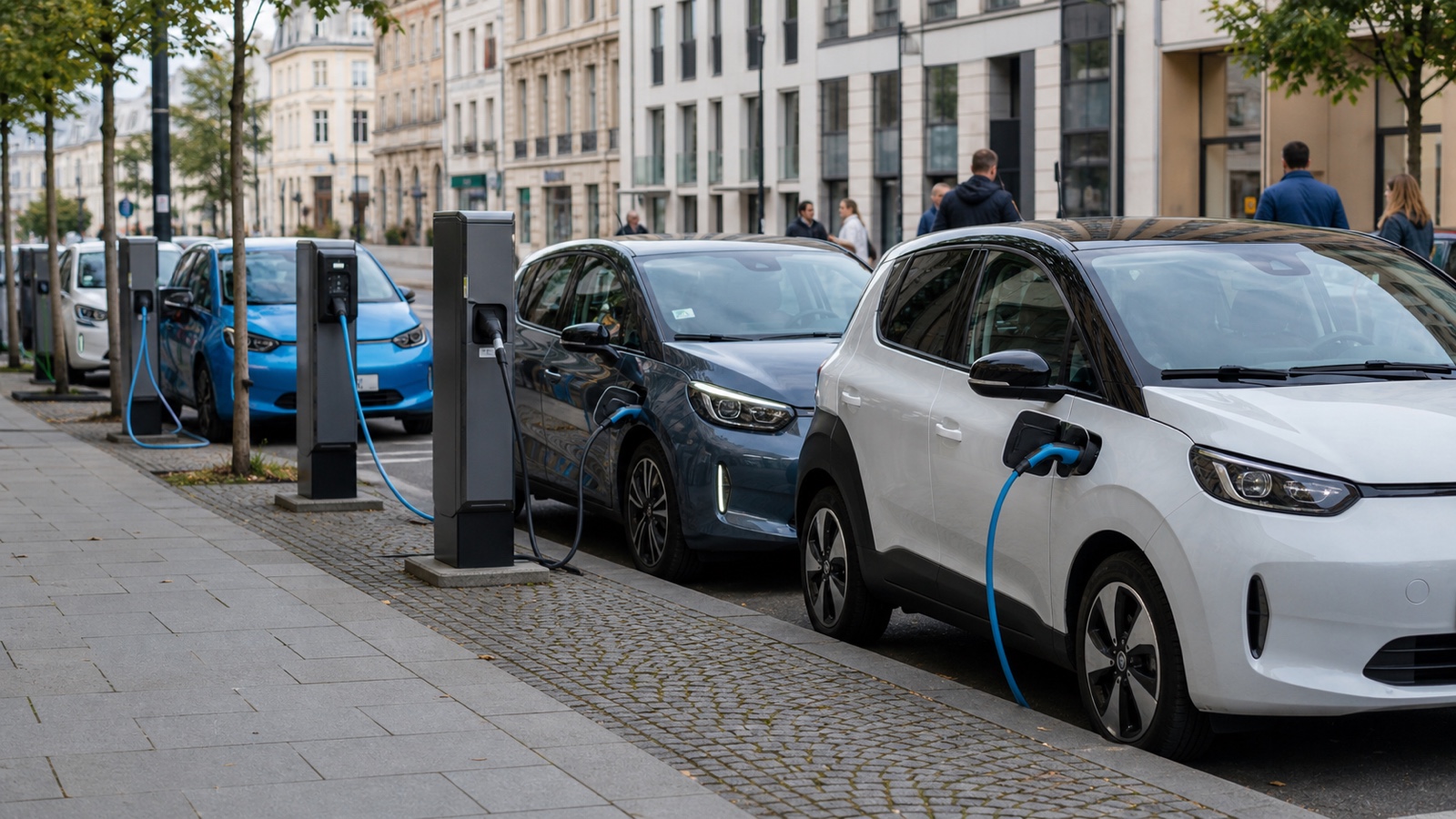
Global electric vehicle sales are rising again. But the recovery is being driven by one region.
About two million battery-electric and plug-in hybrid vehicles were sold worldwide in June 2026, according to battery and supply-chain research group Benchmark Mineral Intelligence (BMI). Sales were 7% higher than a year earlier and 11% above May, marking a fourth consecutive month of growth. First-half sales reached 9.6 million vehicles.
The headline figure hides a sharp regional divide. European sales rose 31% year on year to about 530,000 vehicles, a monthly record. Sales in China fell 11% to about one million, while North America recorded a 13% decline.
Europe is now providing most of the momentum in the global market.
Europe takes the lead
Several forces are working in the same direction.
National incentives and tighter emissions rules continue to influence buying decisions. European Automobile Manufacturers’ Association data showed that battery-electric cars accounted for 20% of EU registrations in the first five months of 2026, up from 15.3% a year earlier. The combined share of petrol and diesel cars continued to fall.
Higher fuel prices have also changed the calculation for drivers. BMI said the rise in oil prices linked to conflict in the Middle East contributed to June deliveries, as cars ordered after the initial fuel-price shock reached customers.
Product choice is changing too. Renault, Volkswagen and other European manufacturers are adding smaller electric cars to a market that had concentrated on larger and more expensive models. New dedicated EV platforms are making compact cars more viable for manufacturers and more suitable for European cities.
France, Denmark, Spain and Portugal all recorded their highest monthly EV sales in June. Renault held about 20% of the French electric-car market, helped by a new generation of small models.
Why China and North America are slowing
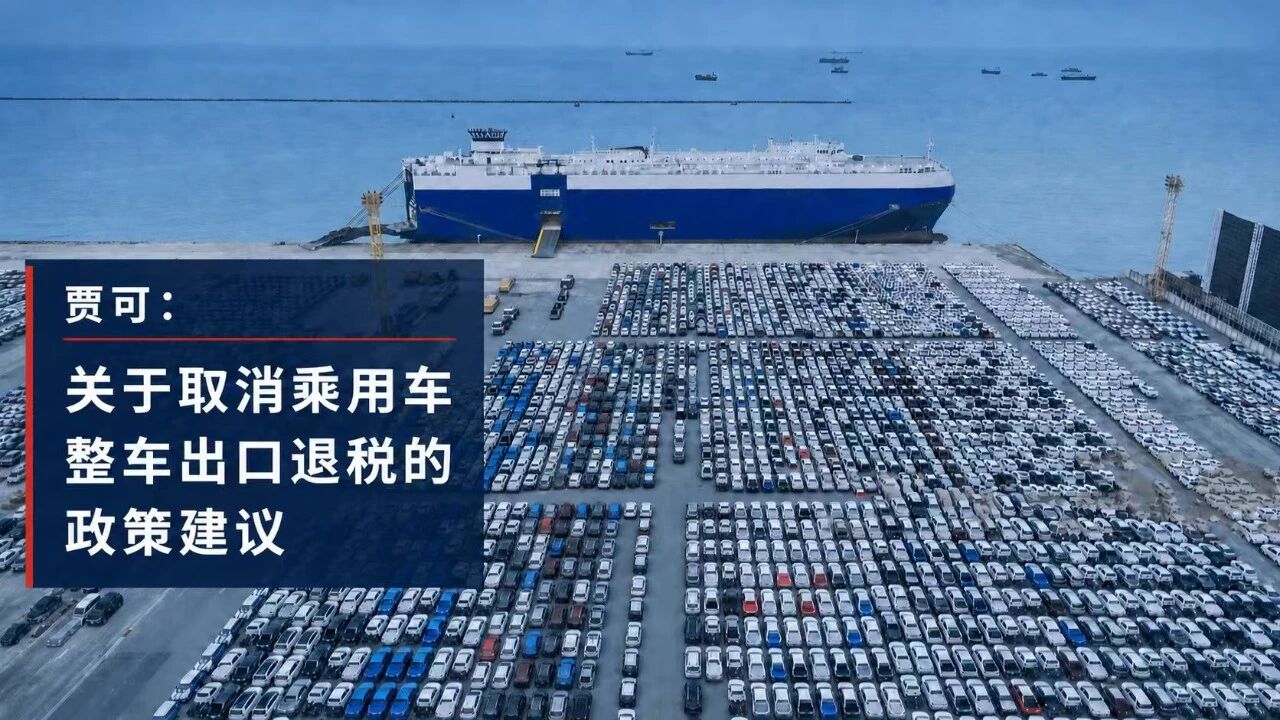
China remains the world’s largest EV market, but domestic demand has been weaker this year. BMI said first-half sales were 14% lower than in 2025. Manufacturers have responded by accelerating exports, which approached 500,000 new-energy vehicles in June, another monthly record.
That export push is complicating relations with Europe. The European Union already applies countervailing duties to battery-electric cars made in China. Some manufacturers have increased exports of plug-in hybrids, while European authorities are considering whether those vehicles should face further scrutiny.
In North America, policy has moved in the opposite direction. The end of US electric-vehicle tax credits raised the cost for buyers and prompted manufacturers to reassess investment. Regional EV sales were down 20% in the first half, with battery-electric sales at General Motors and Ford weaker than the wider market.
One market, several directions
The return to global growth does not mean the industry has resumed a single, coordinated transition. Europe is combining regulation, higher fuel prices and a broader supply of small cars. Chinese manufacturers are relying more heavily on exports. North America is testing demand after subsidies were withdrawn.
For carmakers, the next stage of competition may depend less on maximum range and more on whether they can offer affordable vehicles under different policy regimes, supported by local production and distribution.
June’s two-million figure is both a sign of expansion and a map of divergence. Electric vehicles are still advancing, but the forces pushing them forward have changed.
Sources: Benchmark Mineral Intelligence, Reuters and the European Automobile Manufacturers’ Association (ACEA).