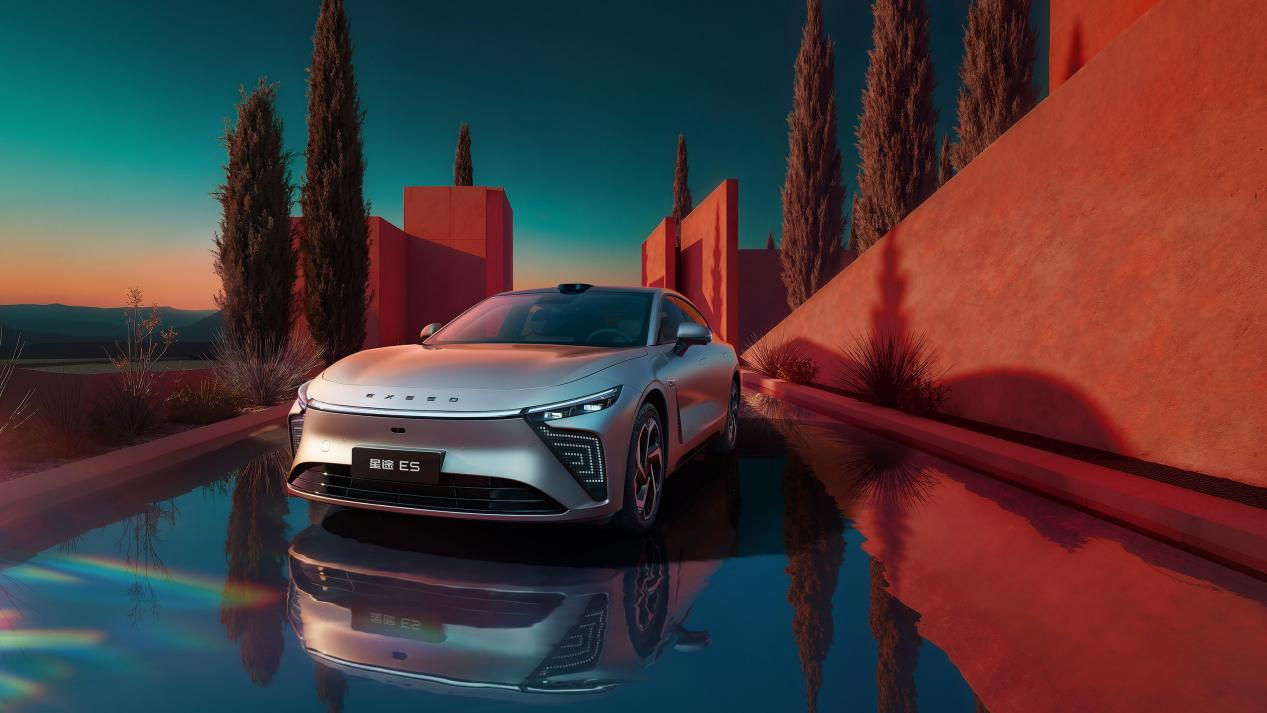
18.99万元起!2027款星途ES开启预售



来源:ABR(ai888)2026-07-13 19:50
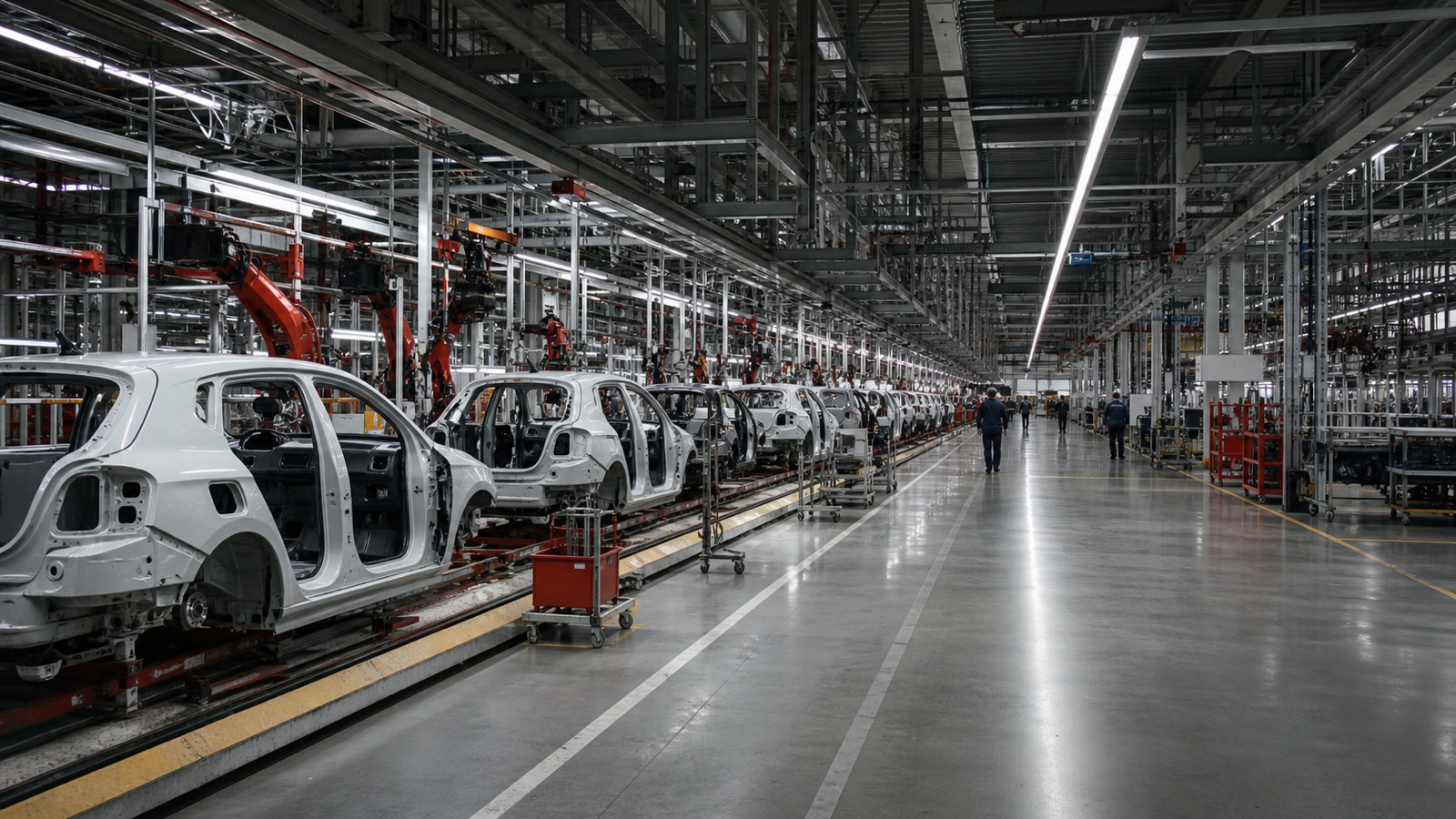
Volkswagen, Europe's biggest carmaker, says it may need to cut about 50,000 more jobs as it tries to close a cost gap with its rivals.
Chief executive Oliver Blume told employees in an internal memo that the group had already agreed reductions amounting to roughly 50,000 positions across businesses including Volkswagen Passenger Cars, Audi and Porsche. But he said further savings could still be required.
Volkswagen estimates that its costs are about 20% higher than those of comparable companies. On paper, Mr Blume said, eliminating that disadvantage could translate into another 50,000 jobs worldwide.
That does not mean a new round of cuts has been approved. The company is examining each brand, business and region to determine what changes are necessary and feasible. But it is the clearest acknowledgement yet of a figure Volkswagen had previously declined to discuss: total reductions across the group could eventually reach about 100,000 positions.
Why is Volkswagen considering further cuts?
The pressure is coming from several directions. Profits have weakened, tariffs are costing the group billions of euros, and Volkswagen's German manufacturing network is under pressure to become more efficient.
Traditional European carmakers must spend heavily on electric vehicles, software and automated driving while continuing to support factories and engineering operations built around combustion-engine cars. When demand slows, funding both systems becomes harder. For Volkswagen, the question is no longer whether to transform, but how quickly it can reduce the cost of its older structure.
Labour relations make the task more complicated. Reuters reported that employee representatives on Volkswagen's supervisory board had blocked proposals that included job reductions and the possible closure of four factories.
Mr Blume said the plants at Emden, Hanover, Zwickau and Neckarsulm did not yet have competitive long-term uses for the 2030s. He has nevertheless said he would prefer alternatives to closure. Options discussed previously include using spare capacity for the defence industry or building vehicles developed with Volkswagen's Chinese partners in Europe.
China has changed the calculation
The cost debate comes as German carmakers suffer a sharp fall in Chinese sales. Company figures published in recent days show that second-quarter deliveries in China by Volkswagen, Mercedes-Benz, BMW and Porsche fell by between 30% and 41% from a year earlier. All four reported declines of more than 20% for the first half of the year.
Volkswagen Group delivered about 424,300 vehicles in China during the second quarter, a fall of 36.6%. Even with growth in Europe and the Americas, its global deliveries declined by 8.6%.
China is no longer simply a source of profit for German manufacturers. It has become the market where their product-development speed, software capability and cost structures are being tested most severely.
Domestic Chinese brands tend to renew their model ranges faster and have built an advantage in electric vehicles and in-car digital technology. At the same time, a prolonged price war and weaker consumer confidence have made buyers more cautious. The premium German brands established during the combustion-engine era does not automatically translate into electric-vehicle sales.
What does this mean for Europe's car industry?
Volkswagen's decisions will be watched across the continent. Any further reduction in jobs would affect not only its factories but also suppliers, local economies and Germany's long-established system of negotiation between companies and organised labour.
Cutting jobs alone will not solve Volkswagen's problems. The group must also launch competitive electric cars, improve the efficiency of its software operations and find a role for German plants in the next product cycle. Without that, short-term savings may not produce a lasting market advantage.
The most significant part of Mr Blume's message is not the theoretical maximum of 100,000 job reductions. It is the management's public admission that the measures agreed so far may be insufficient to close the competitive gap.
The eventual scale of the restructuring will depend on negotiations with workers, whether new uses can be found for underused factories, and whether Volkswagen's position in China continues to deteriorate.
Sources: Reuters, the Associated Press and public information from Volkswagen Group. This article was independently written from publicly available material.